The Importance of Mental Hygiene and Protection Methods in Remote Working Period
Baltas Group
Remote working has gained an important place among the rapidly changing conditions of today's business world. This working model, which started during the pandemic period and has become permanent in many sectors, has brought some challenges as well as advantages. One of these challenges is mental hygiene. When working remotely, the blurring of the boundaries of both personal and professional life can negatively affect mental health. That is why it has become more important than ever to focus on the concept of mental hygiene, to understand it and to apply methods of protection.
What is mental hygiene and why is it important?
Mental hygiene refers to the process of protecting and improving one's mental health. This concept aims to increase our mental resilience against the stress factors we face in our daily lives and to maintain mental balance. The importance of mental hygiene has become even more evident in the era of remote working. In this period, when work and private life are intertwined, social isolation increases and screen time increases, the risk of problems such as burnout, anxiety disorders and depression increases if mental hygiene is not maintained.
Mental hygiene is the responsibility to protect one's mental health. It is not only about maintaining mental health, but also about strengthening it.
The effects of remote working on mental hygiene
Although the remote working model offers advantages such as flexible working hours, the convenience of working from home and transportation, it can trigger some psychological and mental health problems. Here are the effects of this process on mental hygiene:
- Intertwining of work and private life: Working from home can blur the boundaries between work and private life. This means living with constant thoughts of work and can lead to mental fatigue.
- Social isolation: Being deprived of the social interactions found in an office environment can increase feelings of loneliness. This can negatively affect individuals' mental health in the long term.
- Increased screen time: Being constantly in front of computers, phones and other digital devices can increase mental fatigue and stress levels.
Effective methods to maintain mental hygiene
Maintaining mental hygiene during remote working is key to maintaining a healthy and balanced life. Here are effective methods you can apply to protect your mental health during this process:
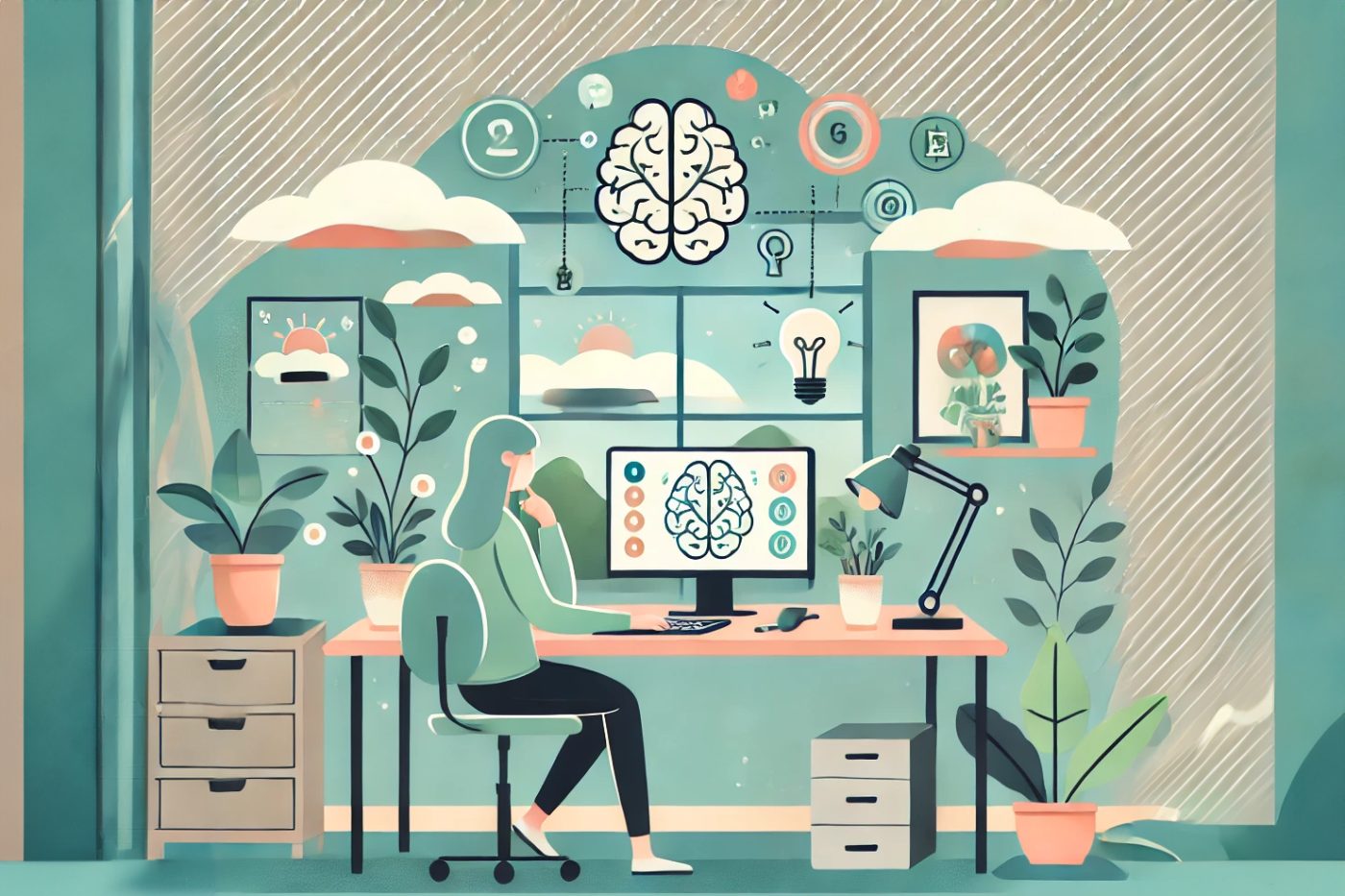
- Identify and organize your workspace: When working from home, creating a designated workspace helps you separate your work and personal life. Make sure this space is organized, comfortable and ergonomic. At the same time, be careful not to use this space outside of work. This makes it easier for your mind to get out of work mode.
- Take regular breaks: Working long hours without interruption increases mental fatigue. Taking short breaks every 90 minutes provides mental refreshment and increases your productivity. During these breaks you can exercise, go for a walk or do simple breathing exercises.
- Create a mental hygiene routine: A daily mental hygiene routine can help strengthen your mental health. Activities such as meditation, deep breathing exercises, engaging in hobbies that reduce the stress of the day will be effective in maintaining your mental hygiene.
- Maintain social connections: Stay in regular contact with friends, family and colleagues to reduce social isolation during the remote working period. Maintaining connections through virtual coffee breaks, online meetings and social media can reduce feelings of loneliness and support your mental wellbeing.
- Reduce screen time: When working remotely, try to limit your screen time. Doing a digital detox outside of work will help you rest your mind and lower your stress levels.
- Increase physical activity: Regular physical activity promotes both physical and mental health. Exercise reduces stress and anxiety by releasing endorphins and improves mental clarity. You can maintain your mental hygiene by walking for at least 30 minutes a day, practicing yoga or other exercises you can do at home.
- Watch your sleep: Adequate and quality sleep is one of the cornerstones of mental health. Paying attention to your sleep patterns during remote working is important to maintain your mental hygiene. Creating a relaxing pre-sleep routine facilitates the transition to quality sleep.
Conclusion
As remote working has taken a permanent place in our lives, it has become more important than ever to maintain mental hygiene in the process. Mental hygiene is critical not only for coping with stress, but also for leading a healthier, balanced and happier life. By applying the methods mentioned above, you can maintain your mental health during the remote working period and make your work life more productive. In addition, you can increase your awareness of your psychological resilience by reading our resource article titled “Mental Health in Business Life” https://kaynakbaltas.com/dergiler/is-hayatinda-ruh-sagligi/#flipbook-df_5794/1/, where we examine and discuss psychological conditions in business life in depth.
Remember, it is up to you to maintain your mental hygiene. Achieving work-life balance, maintaining social connections and investing in your mental health will have a positive impact on both your personal and professional life in the long run.
Frequently Asked Questions
Why is mental hygiene so important when working remotely?
Remote working can lead to blurred boundaries between work and private life. This, combined with factors such as constant work thinking, social isolation and increased screen time, can negatively impact mental health. Mental hygiene is essential to cope with these negative effects and maintain mental balance.
What are simple but effective ways to maintain mental hygiene?
The simplest ways to maintain mental hygiene include taking regular breaks, maintaining social connections, limiting screen time, increasing physical activity and paying attention to sleep patterns.
What impact does screen time have on mental hygiene?
Prolonged screen time increases mental fatigue, causes eye strain and can increase stress levels. Therefore, limiting screen time and practicing a digital detox are important for maintaining mental hygiene.
What are the benefits of creating a mental hygiene routine?
Establishing a mental hygiene routine increases your mental resilience to the stressors of everyday life. These routines help strengthen your mental health and help you cope with stress more effectively.
Previous article Next articleMeet Personova Right Now
You can contact us to get information about Personova developed by Baltas Group.
Phone
+44 7557 347 733Address
63-66 Hatton Garden
London, England, EC1N 8LE