Artificial Intelligence and Bias Management: Fair Decision Making in Recruitment Processes
Baltas Group
Artificial intelligence (AI) is a technology that revolutionizes the business world and makes processes more efficient. In recruitment processes, AI offers recruiters significant advantages in candidate selection and evaluation. However, the risks that this technology brings should not be ignored as much as the advantages it offers. The most important of these risks is bias management. AI systems can carry human biases, and these biases can make it difficult to make fair decisions in recruitment processes. In this article, we will examine how bias management with AI should be handled and ways to make fair decisions.
What is artificial intelligence and how is it used in recruitment processes?
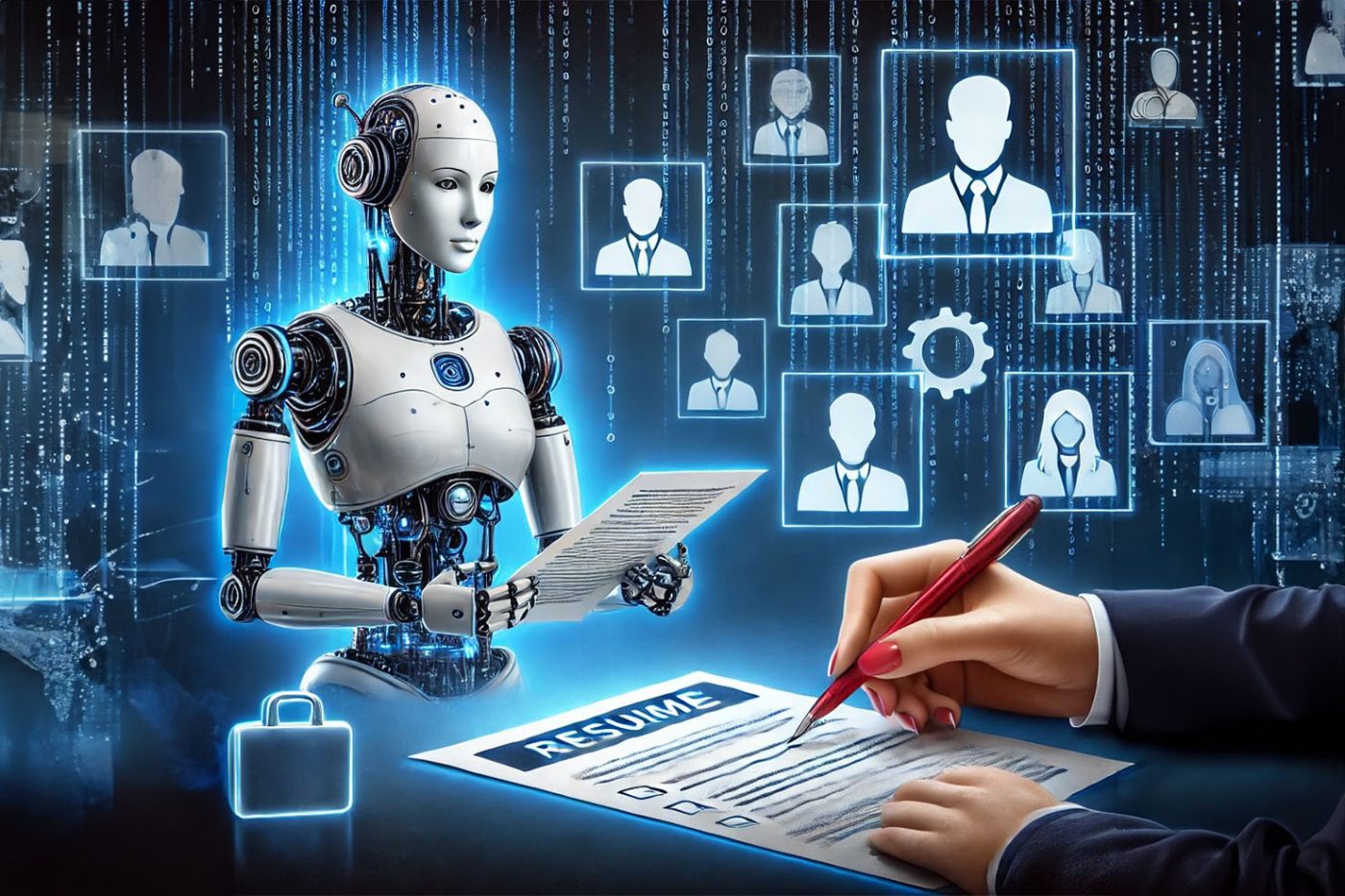
Artificial intelligence is a technology that enables machines to think, learn and make decisions in a human-like way. In recruitment processes, AI can analyze large amounts of data to scan candidates' resumes, deliver job postings to the most suitable candidates, and even analyze candidates' emotional states in video interviews. The use of AI makes the process faster and more efficient, while minimizing human error.
However, biases in the data used in this process can affect AI systems' decisions. For example, if there is a bias in past recruitment data based on demographic factors such as gender, age or ethnicity, AI can learn and reproduce these biases. This can lead to unfair decisions in recruitment processes.
The Role of Artificial Intelligence in Recruitment Processes
- Resume screening: Artificial intelligence scans thousands of resumes in a short time and identifies the most suitable candidates for the job posting.
- Interaction with candidates: It communicates with candidates through chat assistants, answers their questions and provides information about the process.
- Video interviews: AI makes evaluations by analyzing the body language, facial expressions and speaking styles of candidates in video interviews.
- Data analysis: Analyzes past recruitment processes and develops more effective strategies for future processes.
Bias and artificial intelligence: What is the source of the problem?
Bias is the negative attitudes and judgments that individuals consciously or unconsciously hold towards certain groups. In recruitment processes, bias can lead to the unfair elimination of certain candidates based on gender, age, race, ethnicity or other demographic factors. Since AI systems make decisions based on historical data, these biases may also be reflected in the system.
For example, a dataset where male candidates have been favored in the past for a particular position may be learned by AI and lead to similar decisions being made in the future. In this case, female candidates may be unfairly disadvantaged. The same applies to age, ethnicity or other factors.
Bias reflected in artificial intelligence?
- Biases in data sets: Biases in historical data can cause AI systems to learn these biases.
- Algorithm development process: Algorithms may contain biases that developers consciously or unconsciously add.
- Model training:: Imbalances in the data on which the model is trained can lead to unfair results.
How to manage bias with AI in recruitment processes?
Making fair decisions using AI requires effective bias management. The following methods can be used to manage this process successfully:
- Careful selection and cleaning of data sets: A careful data selection and cleaning process is necessary to ensure that the data sets on which the AI is trained do not contain biases. In this process, biases based on demographic factors such as gender, age and ethnicity should be identified and cleaned.
- Transparency and accountability of algorithms: Transparency of AI algorithms makes it easier to detect potential biases. It should be made clear how the algorithms work, what data they use and how they produce results. This way, biases can be more effectively identified and eliminated.
- Continuous observation and testing:It is important to continuously observe and test whether AI systems are making fair decisions in recruitment processes. In this process, the performance and results of the system should be analyzed regularly, and necessary improvements should be made when unfair results are detected.
- Diverse and inclusive data use: Diverse and inclusive data on which AI systems are trained reduces the risk of bias. Using data from different demographic groups allows the system to make more balanced and fair decisions.
- Training of employees: It is important that employees responsible for using AI in recruitment processes are trained in bias management. These trainings ensure that employees are aware of biases and take the necessary steps to prevent them.
Conclusion
AI technology has the potential to make recruitment processes more efficient and effective. However, bias management is vital in this process. For AI systems to make fair and balanced decisions, data must be carefully selected, algorithms must be transparent and accountable, and continuous observation and testing processes must be implemented. Furthermore, the use of diverse and inclusive data reduces the risk of bias.
You can learn more about the impact of these issues in the business world by reading our Resource magazine “Managing Bias”, where we discuss AI bias and the human factor in detail, at https://kaynakbaltas.com/dergiler/onyargilari-yonetmek/#flipbook-df_10919/1/. Remember, understanding and managing bias is the foundation of a fair and inclusive hiring process, which is one of the most important steps to success in business.
Frequently Asked Questions
How AI becomes biased in recruitment processes
By learning biases in historical data, AI can reflect these biases in its future decisions. For example, a data set where more male candidates are preferred for a certain position is learned by AI and can lead to a similar preference for male candidates.
How can I manage AI bias?
To manage AI bias, you can use careful data selection and cleaning, transparent algorithms, continuous observation and testing. You can also reduce the risk of bias by using diverse and inclusive data sets.
Why is algorithm transparency important?
Algorithm transparency makes it easier to understand how the system works and what data it makes decisions based on. This way, potential biases can be identified and addressed.
Is it fair to use AI in recruitment processes?
When managed correctly, AI can facilitate fair decisions. However, when it contains biases, it can produce unfair results. Therefore, bias management is essential.
Previous Article Next articleMeet Personova Right Now
You can contact us to get information about Personova developed by Baltas Group.
Phone
+44 7557 347 733Address
63-66 Hatton Garden
London, England, EC1N 8LE